
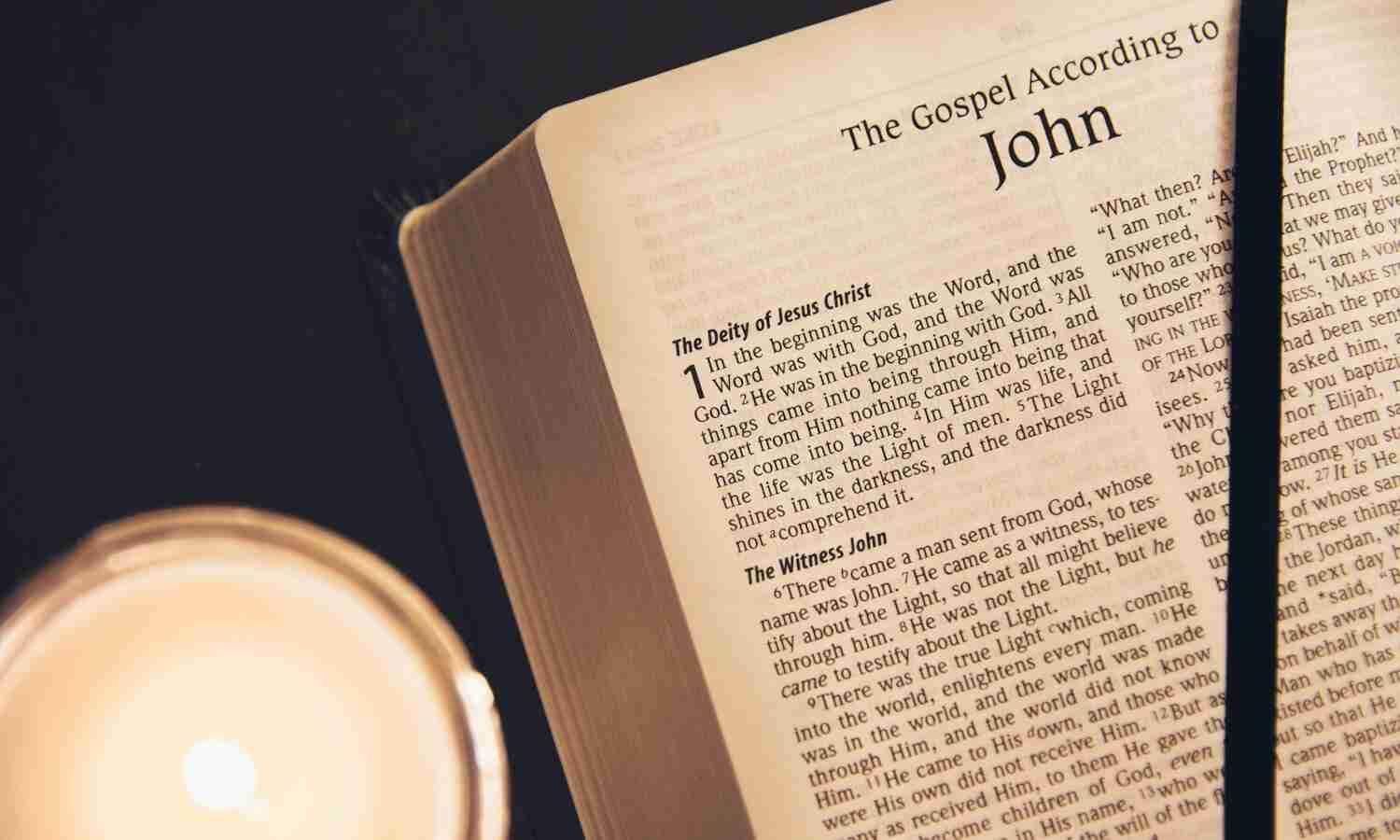

In the beginning, God and man enjoyed perfect communion. However, when man sinned, that communion was broken (see Genesis 1–3). The world was plunged into a state of sinful darkness. Yet, in Genesis 3, God Himself reached out to man, seeking to restore the broken relationship. How did He do this? He promised that through the “offspring” or “seed” of the woman, sinful humanity would be reconciled to Him (Genesis 3:15).
Galatians 3:16 reveals that this “seed” is Christ. Furthermore, we know that Christ is the Word of God, meaning that He is God Himself (John 1:1). Therefore, we can conclude that God Himself is the promised Seed. This promise was fulfilled through the incarnation. The apostle John reveals this profound mystery: “the Word became flesh” (John 1:14). What does this mean? In simple terms, God became man.
This mystery of the incarnation carries several foundational truths that deserve careful consideration:
God the Son became a man
As Christians, we believe in one God who exists in three persons: God the Father, God the Son, and God the Holy Spirit. While we cannot fully comprehend this mystery, much less describe it with perfect accuracy, the Scriptures testify to this truth. Therefore, it’s crucial to understand that “the Word” refers to God the Son, the second person of the Trinity, the Son of God.
When the appointed time came, the Son of God, who is truly and eternally God, entered this world as a human baby—yet without sin (Galatians 4:4). This is what it means when we say that He “became flesh.”
God the Son did not cease to be God when He became man
When the appointed time came for God the Son to become incarnate, He did not cease to be God in order to become man. Rather, as God, He took on a human nature in addition to His divine nature. Thus, the Son of God, though one person, possesses two distinct natures—divine and human. He is truly God and truly man. While these natures are perfectly united in Him, they are not mixed or confused (Philippians 2:6–7).
God the Son was really, fully human
In John’s time, false teachings began to spread, claiming that the incarnation of God the Son was merely an appearance—that Christ only seemed human but was not truly human. This belief is known as Docetism, and it is addressed in 1 John 4:1–6. However, John firmly affirms that “the Word became flesh.” It was not that He merely appeared to be flesh, but that He truly became flesh. The Son of God is now fully and truly both God and man. In fact, Jesus’ preferred self-description was “Son of Man” (Daniel 7:13; Mark 2:10).
Thus, the birth of Jesus marks the incarnation of the eternal Son of God. He is the promised Seed of God, and He is the only human being who did not assume a sinful nature or inherit original sin.
Why is it important to believe in the incarnation?
- Because if we believe in this great truth we will be children of God (read 1 John 4; John 1:12-13).
- Because it is the foundation for genuinely loving our neighbor (read 1 John 4).
- Because it is the foundation for living in true humility (read Philippians 2).
Lord, may this great truth strongly impact our hearts!